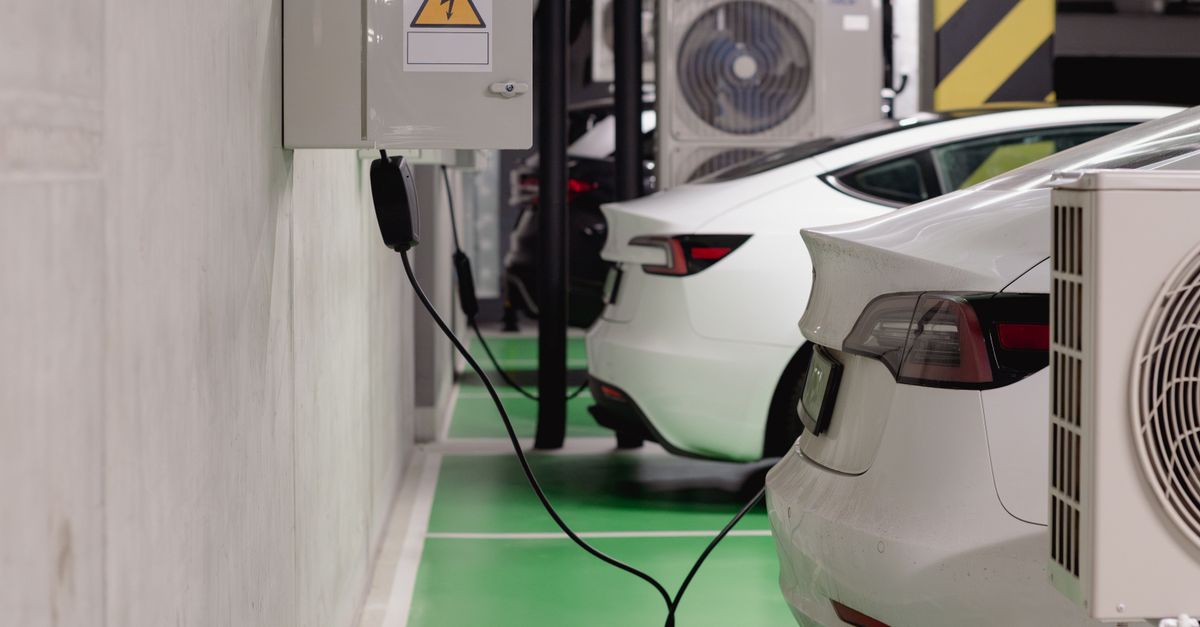
Electric vehicles are no longer a curiosity. For specific fleet profiles — short urban routes, return-to-depot patterns, predictable daily distances — EVs already produce a lower total cost of ownership than diesel. Across East Africa the infrastructure is still catching up, but Tanzanian operators with the right route profile can start piloting now.
Where the EV advantage comes from
Lower operating costs
- Electricity per kilometre is significantly cheaper than diesel
- Far fewer moving parts to service
- Brake wear is dramatically reduced thanks to regenerative braking
Environmental impact
- Zero direct emissions during operation
- Material reduction in carbon footprint
- A useful answer to corporate-customer sustainability requirements
Incentives
- Tax incentives where they apply
- Grants and pilot programmes (regional and donor-funded)
- Lower registration fees in some jurisdictions
Real challenges to plan for
Range management
- Plan routes within real-world (not brochure) range
- Account for hot weather and heavy load
- Identify charging opportunities mid-shift if needed
Charging infrastructure
- Depot-based charging is the foundation
- Public charging in Tanzania is still sparse
- Charging schedule must fit the duty cycle
Initial cost
- Higher purchase price (improving every year)
- Charging infrastructure investment
- New skills for the workshop team
Tracking an EV is a bit different
State of charge
Treat it like a fuel level — make it a primary dispatch metric.
Range predictions
Factor remaining range into job assignments, not just driver location.
Charging management
- Monitor charging status of the whole fleet
- Schedule overnight charging to use cheaper electricity
- Track charging cost as a line item
Regenerative braking
Track energy recovery as a driver behaviour metric — smoother drivers recover more energy.
A staged adoption plan
Phase 1 — pilot
Start with 5–10 EVs on routes that suit them. Learn what breaks and what does not.
Phase 2 — infrastructure
Install depot charging based on what you learnt in the pilot.
Phase 3 — expansion
Add EVs to additional route profiles as economics improve.
Phase 4 — full transition
Complete transition as infrastructure and economics allow.
Best-fit use cases
| Good for EVs | Challenging for EVs |
|---|---|
| Urban delivery | Long-haul trucking |
| Fixed daily routes | Highly variable distances |
| Return-to-depot patterns | Multi-shift, no charging window |
| Light loads | Heavy hauling |
The EV transition is not all-or-nothing. Most Tanzanian fleets will run mixed fleets for several years — the goal is to make sure the right tool does each job.
Thinking about an EV pilot? Get in touch and we will help you assess which of your current routes are good candidates and what tracking setup makes sense.